


Headset Standards
This article will discuss the various headset types and standards found on modern bikes. The headset of a bicycle allows the fork steering column and front wheel to rotate and turn. There are now several different systems in use on bicycles. The installation and service aspect vary according to the style.
Getting Started
This article will review the following headset types:
- Conventional Threaded
- Conventional Threadless
- Low Profile (Zero-Stack, or “Internal”)
- Integrated System (IS) (angular contact without cups)
- Microtech®
- Columbus®-type (integrated — angular contact)
- Campagnolo® Hiddenset (integrated — angular contact)
- Onepointfive Standard (oversized steering column)
There are also a few bicycle manufacturers using a uniquely proprietary headsets of unique design.
A new system of terminology is being introduced call SHIS (Standard Headset Information System). The SHIS is a way to bring organization to the discussion of different standards. For a detailed discussion see SHIS.
Conventional Threaded (SHIS EC)
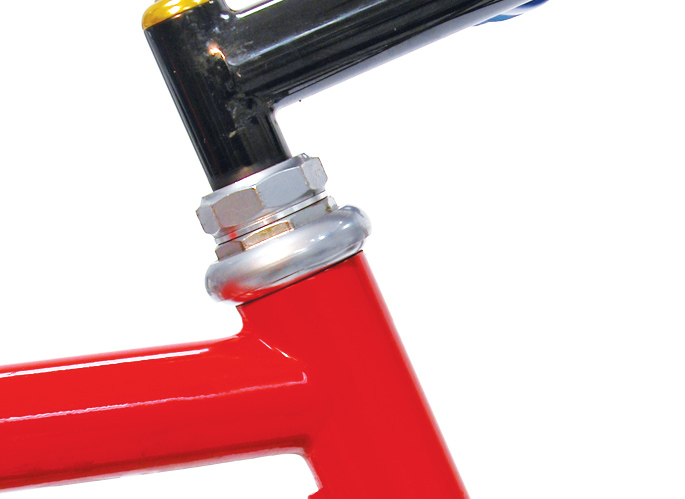
The threaded headset was once the most common bicycle headset design. The “threaded” in the name refers to the external threading at the top of the fork steering column. Bearing cups are pressed into the bike head tube. The bearings, which may be loose ball bearings, retainer ball bearings, or cartridge bearings, sit above and below the pressed races. The top-most bearing race has internal threading, and is held in place by a threaded locknut. The stem has no effect on the headset adjustment.
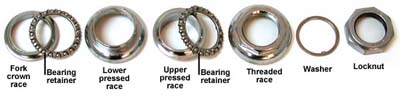
Threaded headset sizes are designated by the outer diameter of the steering column. This can seem confusing, because the head cups do not measure the named standard. The threaded standards are 1 inch, 1-1/8 inch, and 1-1/4 inch headsets. The various standards are generally not interchangeable. For more on threaded headsets including the various standards see Threaded Headset Service.
Conventional Threadless (SHIS EC)
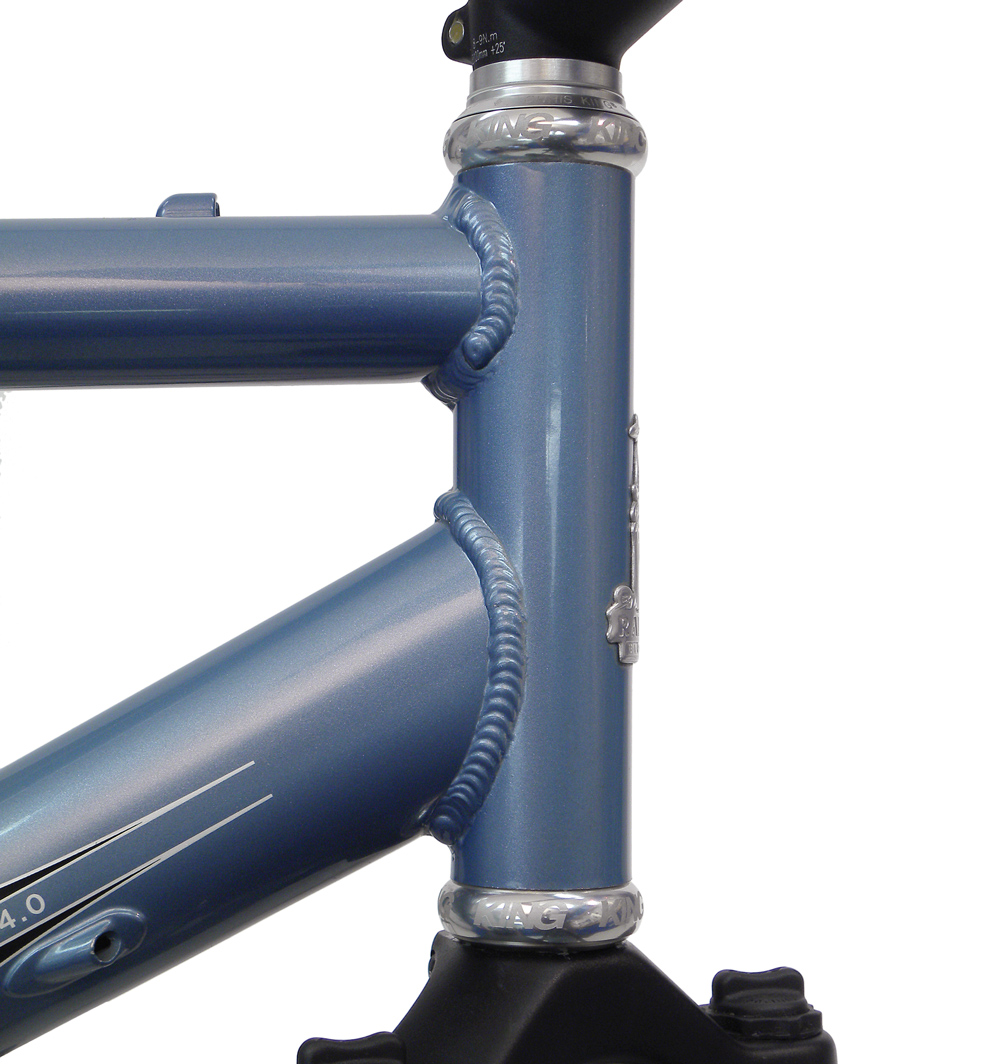
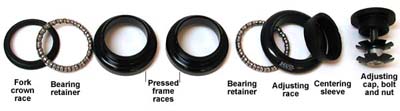
Threadless headsets have many of the same features as Threaded Headsets. Bearing cups are pressed into the bike head tube. The bearings, which may be loose ball bearings, retainer ball bearings, or cartridge bearings, sit above and below the pressed races. The steering column has no threading. The top race uses an internal centering sleeve on the column to maintain alignment to the bearing cup. Pressure is applied to the top race from the stem. Threadless Headsets must use a compatible stem that matches the steering column diameter. The stem binds to the outside of the column, and holds the top race in adjustment. The threadless standards are 1-inch and 1-1/8 inch diameter steering column. For more on conventional threadless headset including the various standards see Threadless Headset Service.
Low Profile / Zero Stack / Integrated with Cups / Internal / Semi-Integrated (SHIS ZS)
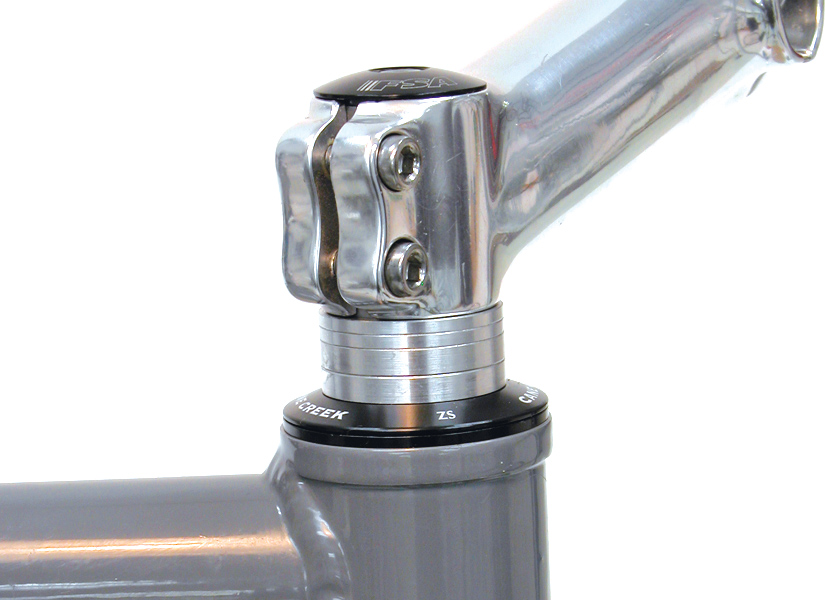
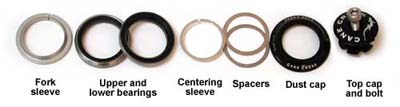
This type of headset system has, unfortunately, several names. Cane Creek® uses ZS or Zero Stack, while FSA® uses the Orbit Z series. The low-profile, zero-stack, integrated-with-cups, semi-Integrated, or internal-headset systems use pressed frame cups that act as a holder for the bearings. The cups have a flange, or lip, and sit adjacent to the outer edge of the top and bottom of the head tube. The head tube is a relatively large outside diameter, approximately 50mm, and cups allow the bearings to sit flush or even inside the head tube. The headset bearings sit “internally” to the top and bottom of the head tube. Some models use a cup that holds a cartridge bearing. The cartridge bearing is a slip fit into the cups. The cups act as a bearing holder and do not take bearing movement or wear directly. Other types have the cartridge bearing and cup/holder as a unit. These are simply replaced as a unit when it is worn out. Still another version of this type uses a cup and cone system with caged ball bearings, similar to the conventional threadless headsets. Additionally, the depth of insertion into the head tube will vary between brands and type. If the bike was designed for a shallow cup, a deeper cup will not properly fit. This lack of consensus in depth makes reaming the inside of the head tube problematic.
The Low Profile type of headset is adjusted in a similar fashion as threadless headsets. Pressure is applied from an adjusting cap and bolt in the stem. The Low Profile headsets, even the “zero stack”, do have some stack height, in spite of their name. The steering column is commonly 1-1/8 inch diameter.
Park Tool offers the 690-XL facer for some of the Low Profile head tubes. This facer is used with the 768 Pilot to machine the top and bottom surfaces of the head tube.
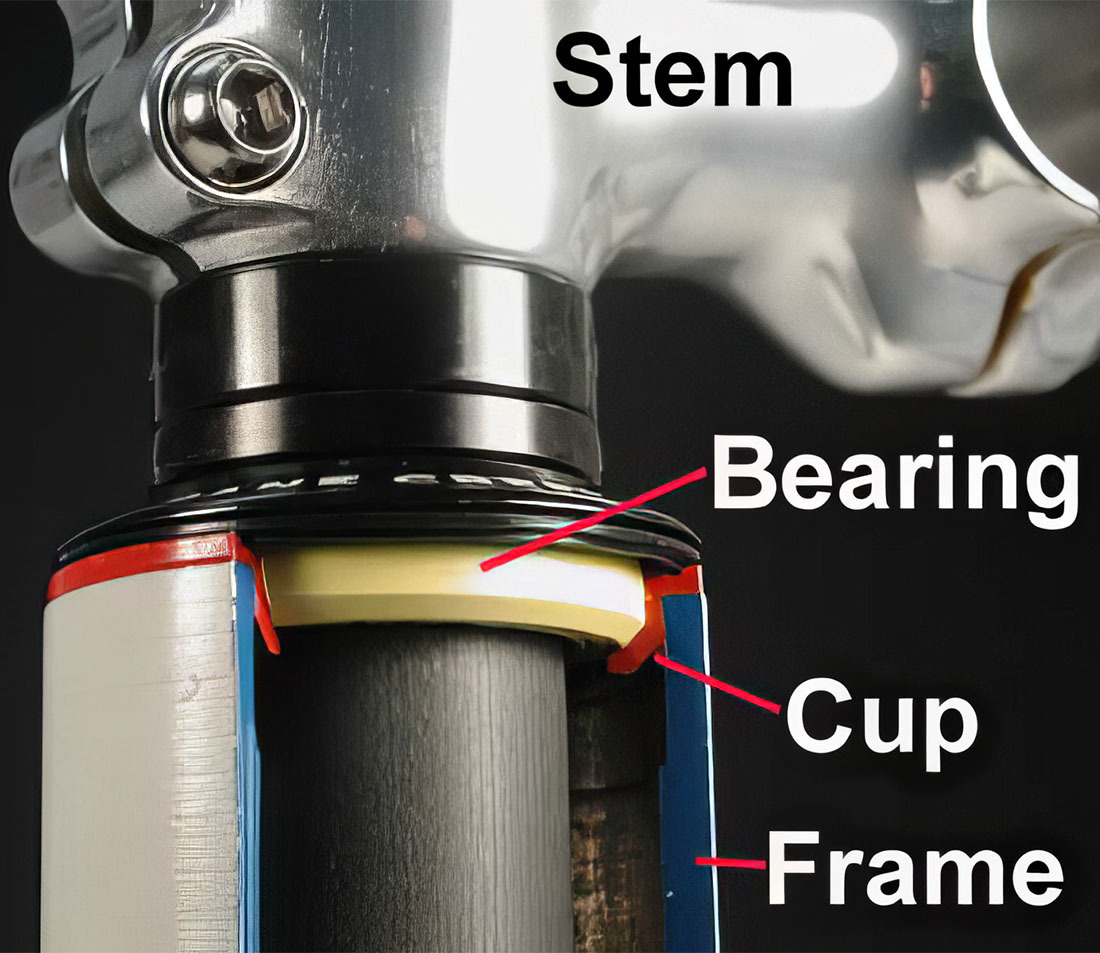
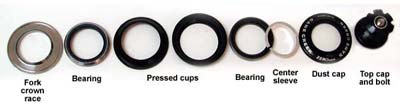
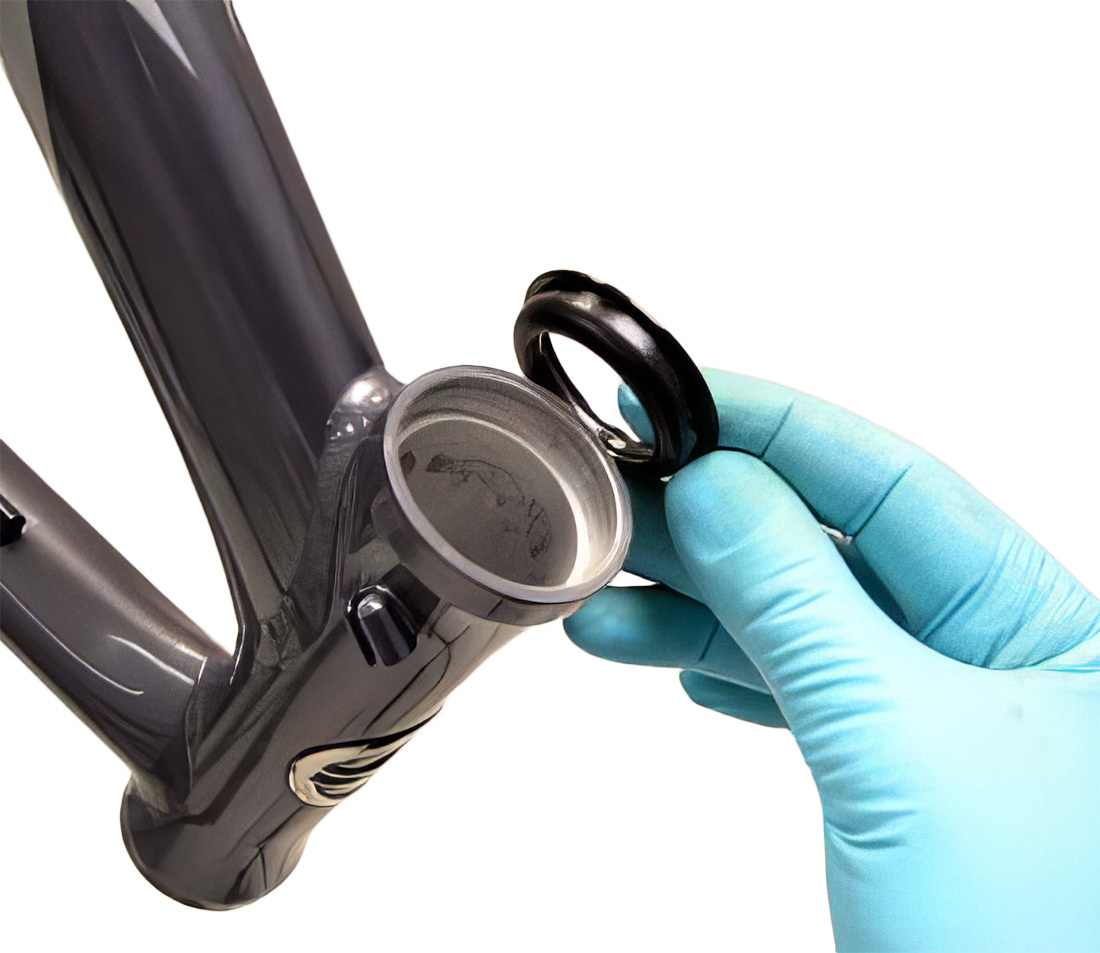
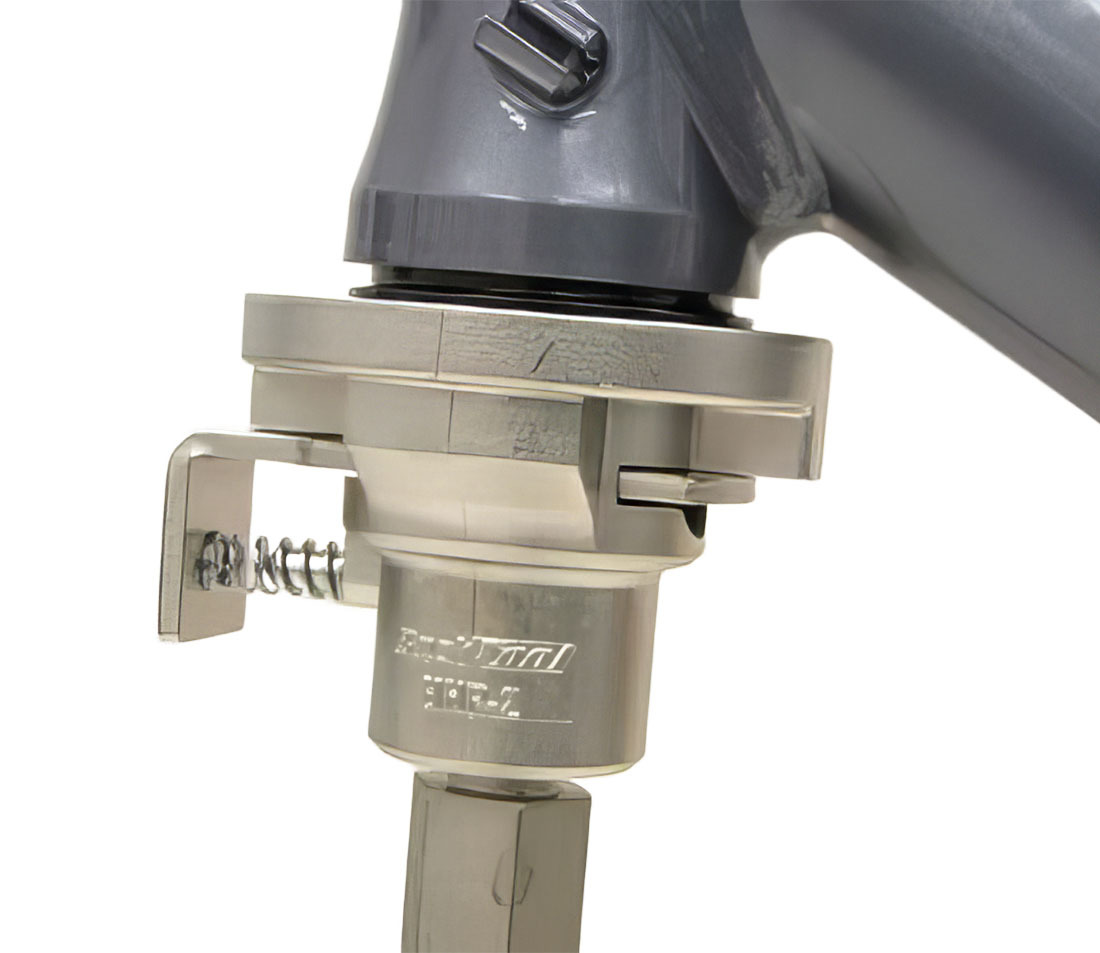
Below is an image of a Low Profile headset using a cup and bearing as one unit. These systems align bearings to the top and bottom on the head tube faces, there is no angular contact inside the head tube. Note image below with cup pressing into frame. Lip of bearing cup presses against head tube face.
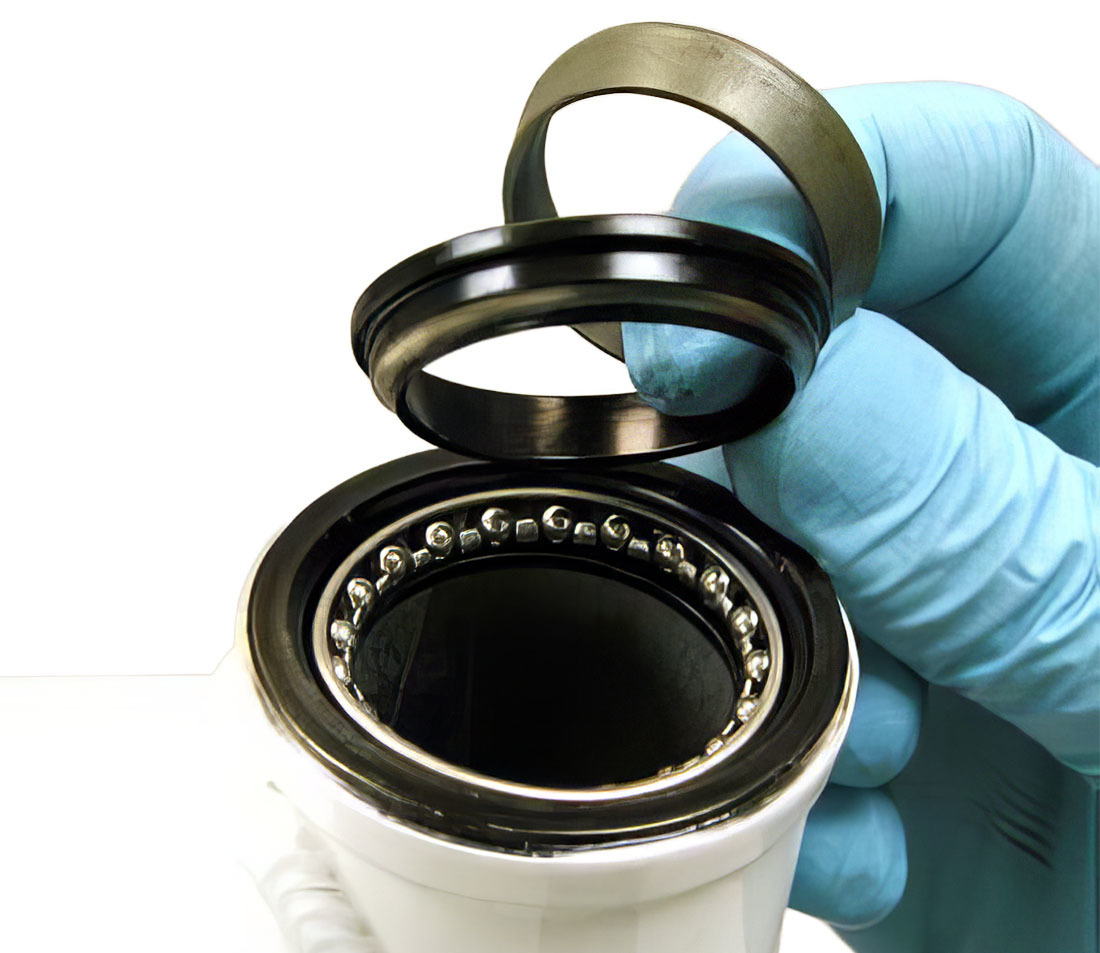
Below is an image of the system using bearing cups, cone, and caged ball bearings, similar to conventional threadless headsets. Generally, these are considered less expensive headsets.
Integrated Angular Contact (SHIS IS)
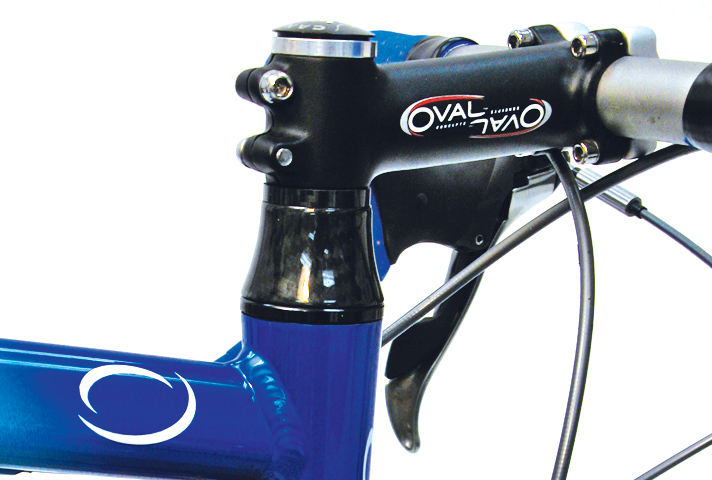
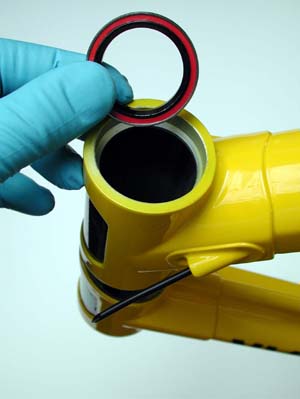
The integrated system uses cartridge bearings that are supported by machining in a specially shaped head tube. The frame may also use pressed rings or retainers inside the head tube. A cartridge bearing slips into these “cups” or supports, and is simply lifted out for replacement. There is no contact with the head tube face. The bearing sits inside the head tube, and references the angular contact. There are different standards within this integrated-angular contact family, and these are not interchangeable. A table at the end of this article summarizes the various standards.
The “IS” system is considered the most common. The name Integrated System is not a registered trade name. The system uses the 45-degree bearing contact in the frame. The bearings for the 1-1/8 inch steering columns use a 41mm outside diameter with a 45-degree bearing contact in the frame. The bearing may be marked “36-45.” The first number refers to the inside bearing contact with the headset race or centering cone. The second number refers to the frame contact.
The less common 36-degree angular contact standard uses a bearing for the 1-1/8 inch steering columns with a 41.5mm outside diameter. The bearings may be marked “36-36.” The IS frame standard of 36-degrees is now considered obsolete.
Bearing adjustment in these systems similar to the threadless headset. Pressure is applied from an adjusting cap and bolt in the stem.
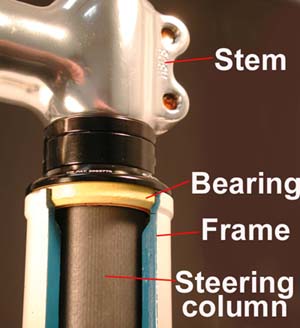
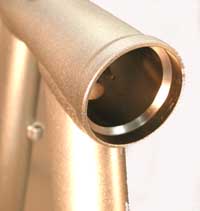
The image below shows the inside of the specially designed and machined head tube. The inside bevel acts as the bearing “cup.” Cartridge bearing are used which drop directly into the head tube as a slip fit. There is no pressing involved. All integrated system headset bearings use the internal bearing support inside the frame, not the top face of the head tube, for proper alignment reference.
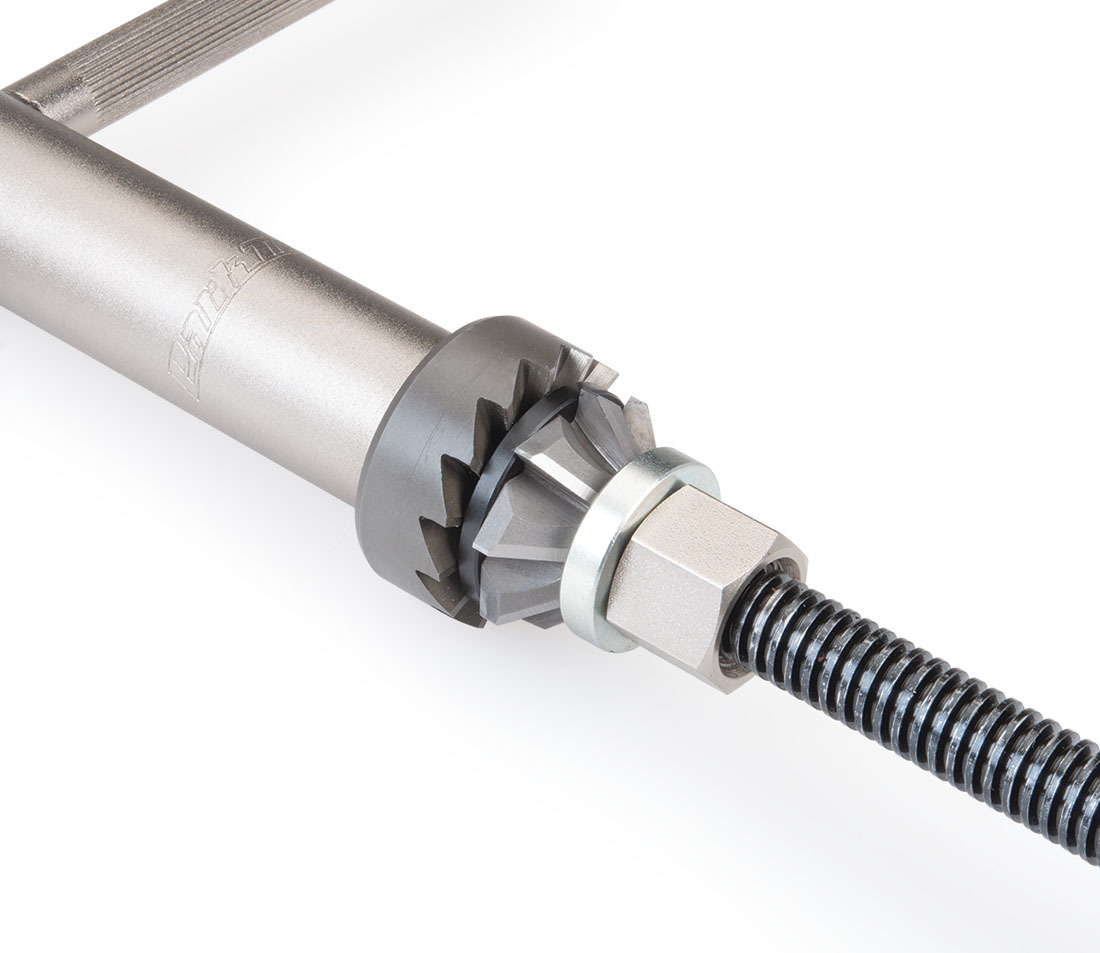
Use the Park Tool 756S.2 cutters for 45-degree angular contact IS frames. See Head Tube Reaming and Facing for more information.
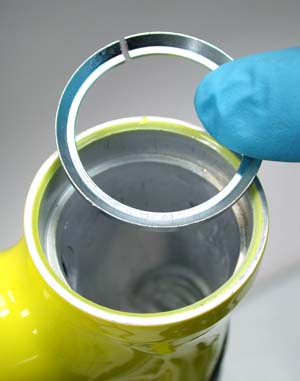
The frame below uses pressed inserts or rings for the angular contact. Notice the split in the ring. These press in with only hand pressure against the machined relief in the frame.
Campagnolo® Hiddenset (SHIS IS42)
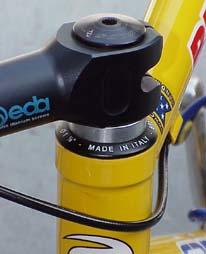
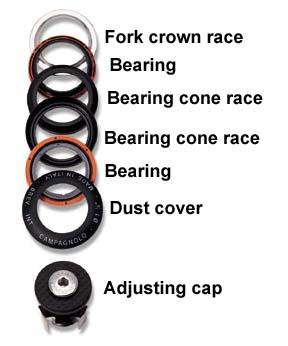
The Campagnolo® Hiddenset is a proprietary design, and is basically an integrated-angular contact type without cups. The frame must be compatible with this design for this headset to be used. The bearings cone races do not press into the frame. The frame has a specially machined head tube to accept the bearings. However, this standard is not interchangeable with the Integrated System described above. Adjustment is similar to a conventional threadless headset.
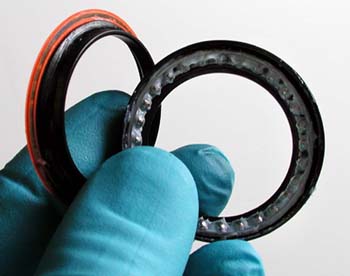
Steering columns may be either 1-inch or 1-1/8 inch in this standard. The bearings are a slip fit into the frame. The common 1-1/8 inch standard has a bearing outside diameter of nominally 41.8mm with a 45-degree bearing seat. Campagnolo® brand bearings use a caged ball bearing inside the bearing unit. The unit can be pulled apart to be cleaned and regreased. Some other brands use a non-serviceable bearing, which are simply replaced, not serviced.
Microtech®
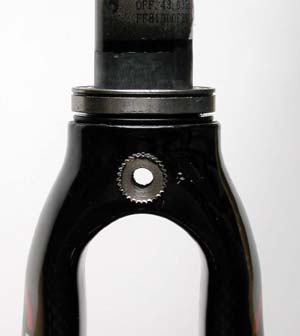
The Microtech® headset system is a proprietary integrated system. The frame head tube is machined specifically for the bearing. There is no angular contact in the frame for the bearing, but rather a square edge is recessed below the top and bottom face. The bearings are a press fit inside the frame and sit on the machined edge. Bearing alignment then references the internal machining, not the top and bottom faces. The lower bearing is also a press fit onto the steering column. The 1-1/8-inch forks use a bearing with an outside diameter of 42mm. Bearing adjustment is the same as threadless systems.
Columbus® Type (SHIS IS42)
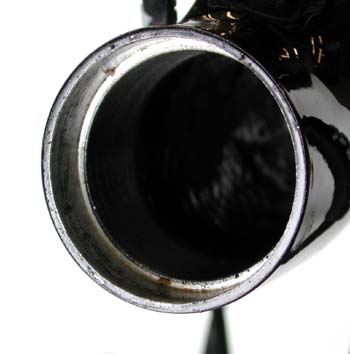
The Columbus type headset uses a cartridge bearing holding-cup that is pressed into the frame. The frame has no special seat machined inside the head tube. The frame head tube has an outside diameter of 45mm and a machined inside diameter of approximately 39.9mm. A cup of 45mm outside diameter is pressed into the frame. The cartridge bearings sit above and below the frame in these cups. The bearings are nominally 41.5mm outside diameter and are a slip-fit into the cups. The bearing seat of the cups is 36 degrees. This headset allows the “image” of an integrated system by matching the head tube diameter with the cup outside diameter. The Columbus®-type headsets are not interchangeable with other types. Cups are typically painted with the frame, which assists to hide their appearance on the bike. Adjustment is similar to threadless headsets.
Columbus® offers this system to frame builders with steel head tube inserts. These inserts are welded into the frame and are then effectively similar to the integrated system described above. The insert system is also in the 36-degree angular frame contact.
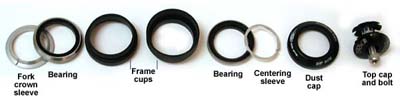
OnePointFive Headset (SHIS EC49)
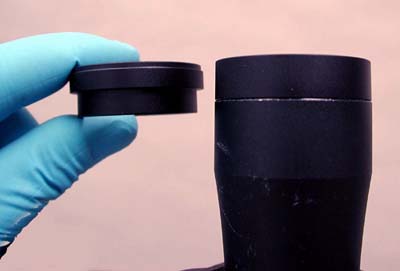
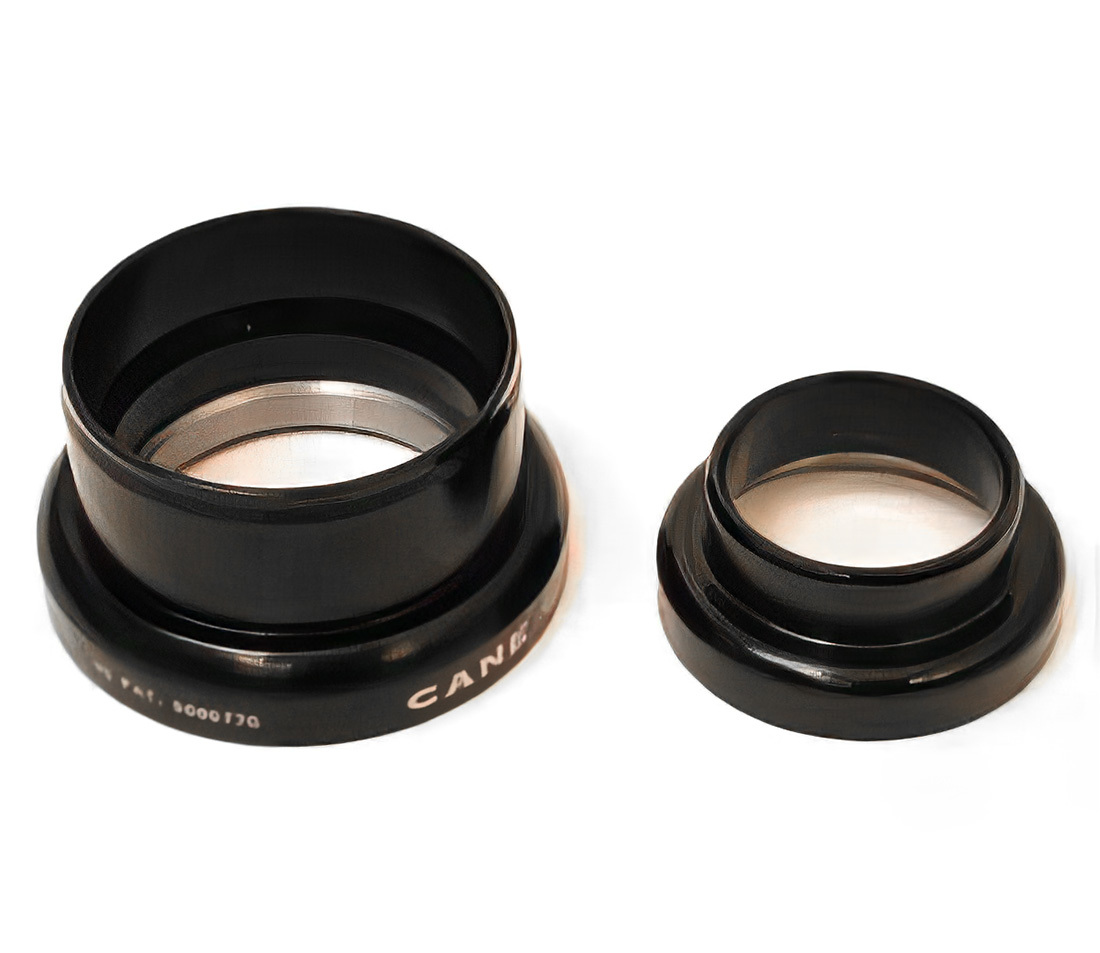
The Onepointfive Standard® uses a 1.5-inch diameter (38.1mm) steering column. The head tube inside diameter is approximately 49.6mm. The headsets are conventional threadless types, and but are simply quite large. The adjustment procedure is the same as threadless headsets. Below is a frame cup from the Onepointfive standard next to a 1-1/8-inch standard frame cup.
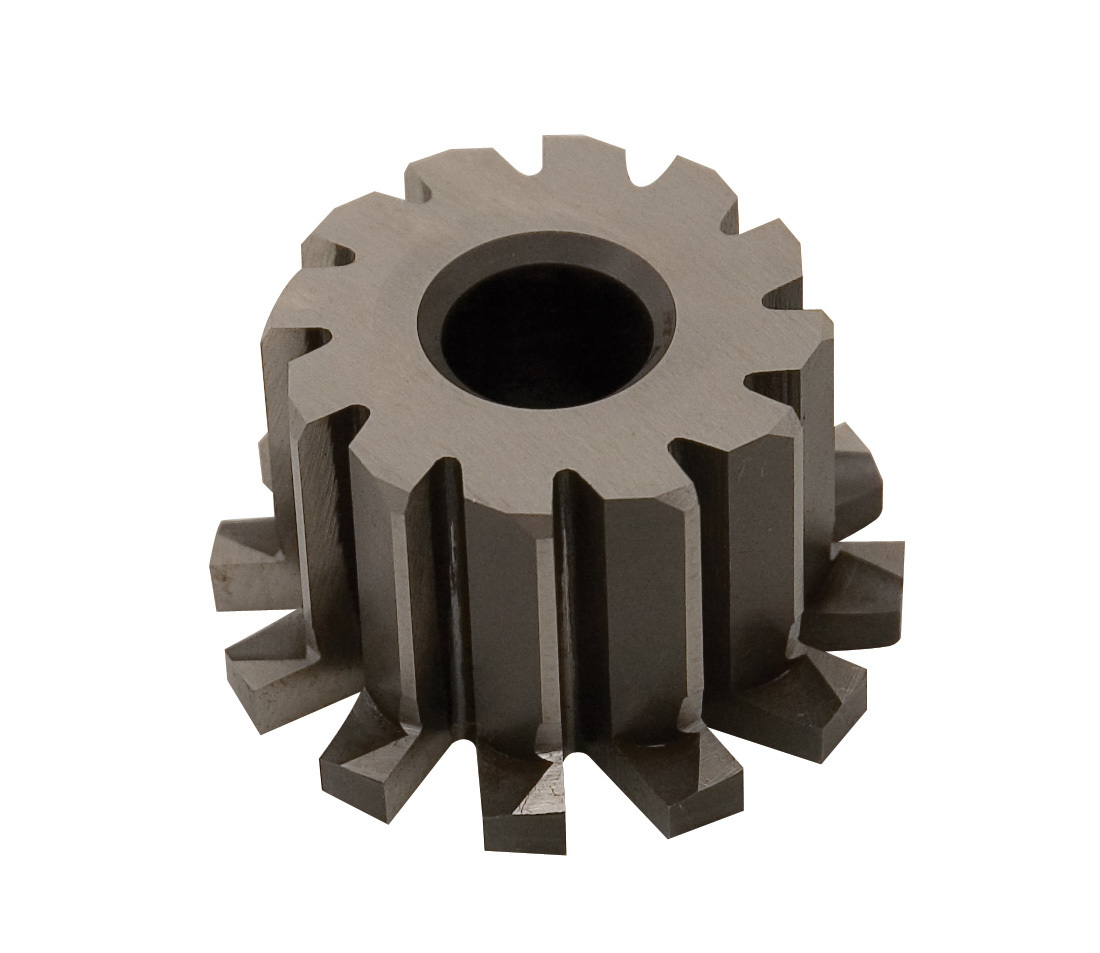
The Park Tool Facer/Reamer 758.2 is made for this standard. To press the OnePointFive standard cups use the HHP-2 headset press.
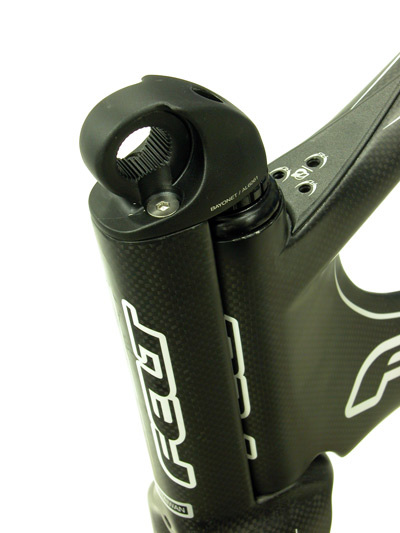
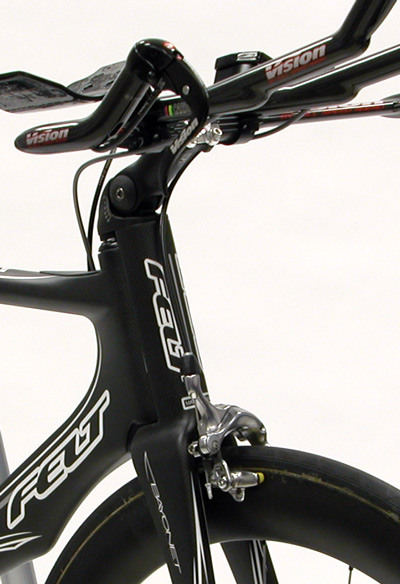
Structural Fairing Design
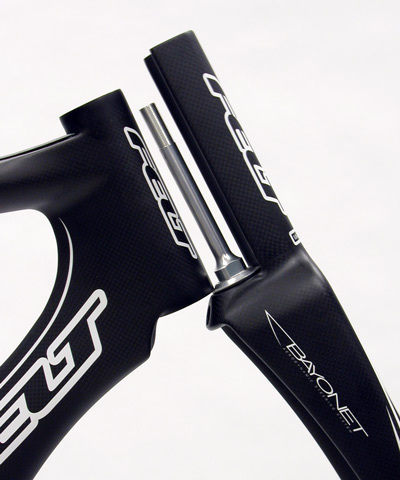
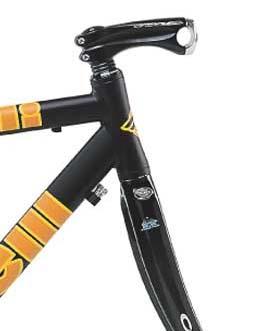
There are headset systems that are primarily proprietary and do not interchange with other standards. In the example below, there are effectively two steering columns. One passes through the head tube and supports the bearings. A second section of the fork is a fairing or cowling, and sits in front of the head tube. However, this fairing is also structural as it supports the fork and connects to the stem.
The stem system is unique to the design and connects the fork to the stem system.
Headset Standards Summary
The various headset standards are outlined in the table below. An “interference fit” is also called a “press fit”, where the head tube is smaller than the cup/bearing. The cup is pressed into the head tube with force. A “slip fit” allows the bearing to be installed and removed by hand, with no pressing required. In a slip fit, the outside diameter (OD) of the bearing is smaller than the inside diameter (ID) of the frame.
| Head Tube ID | Bearing / Press OD | Fit | Desc. | SHIS |
|---|---|---|---|---|
| 29.8–29.9 mm | 30.0 mm | Interference fit | Conventional JIS standard for 1-inch steering column, threaded and threadless | EC29 |
| 30.0–30.1 mm | 30.2 mm | Interference fit | Conventional “Euro” standard for 1-inch steering column, conventional threaded and threadless | EC30 |
| 33.8–33.9 mm | 34.0 mm | Interference fit | Conventional 1⅛ inch for threadless and threaded |
EC34 |
| 36.8–36.9 mm | 37 mm | Interference fit | Conventional 1¼ inch for threaded and threadless | EC37 |
| 38.14–38.15 mm | 38 mm | Slip fit | Integrated-angular contact 1-inch steering column 36 x 36 degree contact |
IS38 |
| 41.05–41.1 mm | 41 mm | Slip fit | Integrated-angular contact 1⅛ inch steering column 36 x 45 degree contact “IS” or “Cane Creek® types |
IS41 |
| 41.3 mm | 41.4 mm | Interference fit | Low Profile 1⅛” steering column, with head tube outside diameter nominally 47mm Frame has no angular contact. |
ZS41 |
| 41.55–41.6 mm | 41.5 mm | Slip fit | Integrated-angular contact 36 x36 degree contact TH Industries® ED-36 type |
Obsolete |
| 41.85–41.9 mm | 41.8 mm | Slip fit | Integrated-angluar contact 45 x 45 degree contact Campagnolo® Hiddenset standard |
IS42 |
| 41.9–42 mm | 42 mm | Interference fit | Microtech® Integrated- non-angular contact Frame has no angular contact. |
Obsolete |
| 43.9 mm | 44 mm | Interference fit | Low Profile for 1-1/8 inch steering column Cartridge bearing types use slip fit into pressed cup. |
ZS44 |
| 44.05–44.1 mm | 44 mm | Slip fit | Integrated-angular contact 1-1/8″ steering column 36 x 36 degree contact |
Obsolete |
| 47.05–47.1 mm | 47 mm | Slip fit | Integrated lower only | IS47 |
| 49.6 mm | 49.7 mm | Interference fit | Onepointfive® Standard Oversized threadless type |
EC49 & ZS49 |
| 52.1–52.15 mm | 52 mm | Slip fit | Integrated lower | IS52 |
| 55.90–55.95 mm | 56 mm | Press fit | Internal and conventional headset | ZS56 & EC56 |
Related articles
Standardized Headset Identification System View Article
 Standardized Headset Identification System

2Conventional Threaded (SHIS EC)
3Conventional Threadless (SHIS EC)
4Low Profile / Zero Stack / Integrated with Cups / Internal / Semi-Integrated (SHIS ZS)
5Integrated Angular Contact (SHIS IS)
6Campagnolo® Hiddenset (SHIS IS42)
7Microtech®
8Columbus® Type (SHIS IS42)
9OnePointFive Headset (SHIS EC49)
10Structural Fairing Design
11Headset Standards Summary
