


Standardized Headset Identification System
This article will review the SHIS (Standard Headset Information System). The SHIS nomenclature is designed to simplify the discussion of headset standards and will make it easier to compare models when ordering replacement headsets.
Overview
There have been new and innovative headset design standards on the market for several years. However, there has been no consensus on naming these standards. Manufacturers tend to use proprietary names such as “Orbit Z,” “NoThreadSet,” “Zero Stack,” “Hiddenset,” etc. As a result there can be several names for the same headset standard. This produces confusion among consumers, retailers, mechanics, and even bike manufacturers.
As a result of this confusion, a group of companies have developed a new system to consistently name these standards. This new system of nomenclature is known as the Standard Headset Information System, or SHIS.
The SHIS is not a new type of headset. It is a way to describe headsets and to bring organization to the discussion of different standards and how they fit the bike. Many manufacturers, distributors, and retailers are now using and spreading this system. The SHIS requires some basic inspections and measurements. Using the SHIS terminology will then allow you to select the correct headset and to easily compare headsets between manufacturers.
The SHIS terminology consists of a two-letter code followed by numbers referring to the sizing in the frame or fork. Below in figure 1 is the SHIS terms for a particular headset with descriptions of what the terms mean.
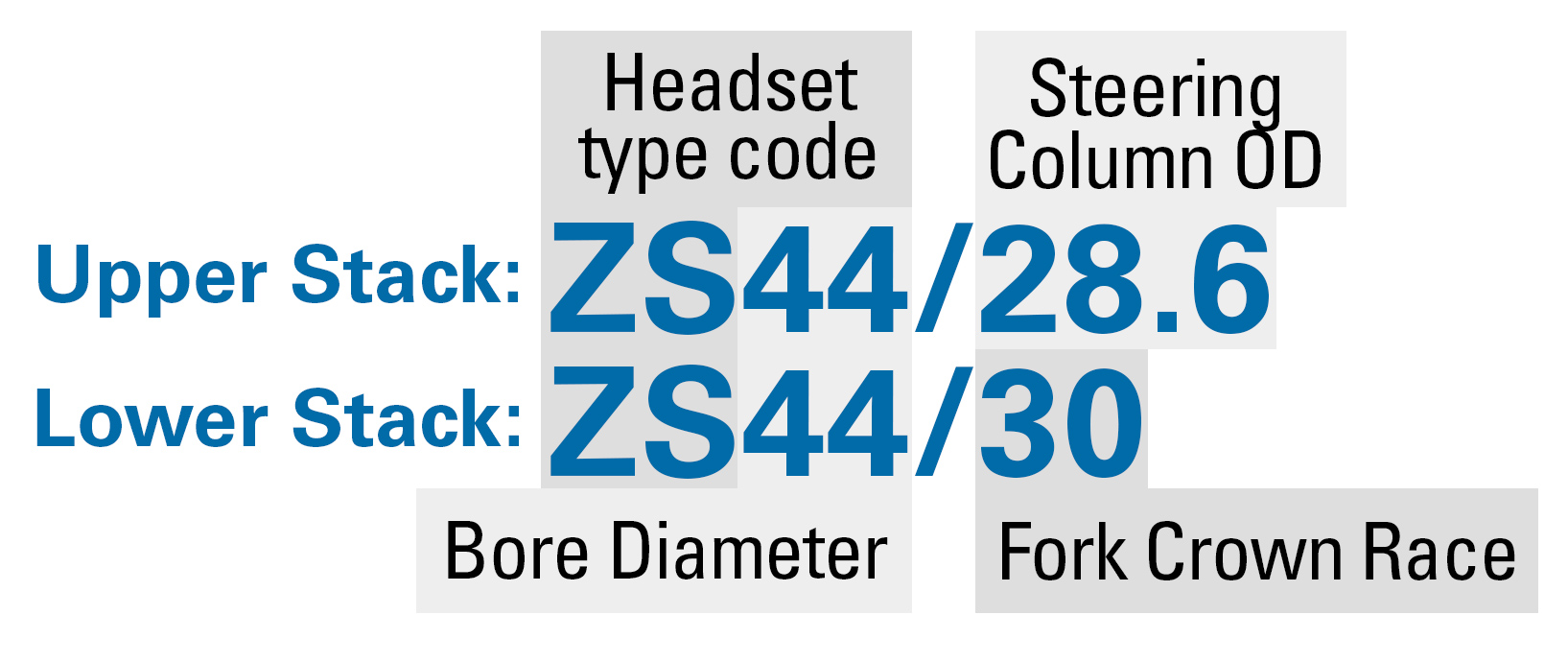
The SHIS code in example #1 is written as ZS44/28.6 | ZS44/30. The upper stack is listed first, and is separated by the “pipe” mark from the lower stack. The pipe mark is the long vertical line: |
The headset in example #1 could have one of eight different names depending upon the catalog or website:
- 1-1/8″ internal headset
- 1-1/8″ Orbit Z
- 1-1/8″ InSet, low-stack
- 1-1/8″ ZeroStack
- Logic Zero Press Fit 1-1/8″
- Flat44 for 1-1/8″ semi-integrated
- Zero Superlogic
- Hidden Cup Headset
These models above are are actually interchangeable with one another. However these sundry monikers would not lead anyone to assume they are the same standard. This illustrates the need for a common system of description, and that is exactly what the SHIS is all about.
Like any new language, the SHIS requires some decoding. The first two letters are code for the headset type. There are three basic types of headsets, the external cup (EC), the internal headset (ZS), and the integrated headset (IS).
EC (External Cup)
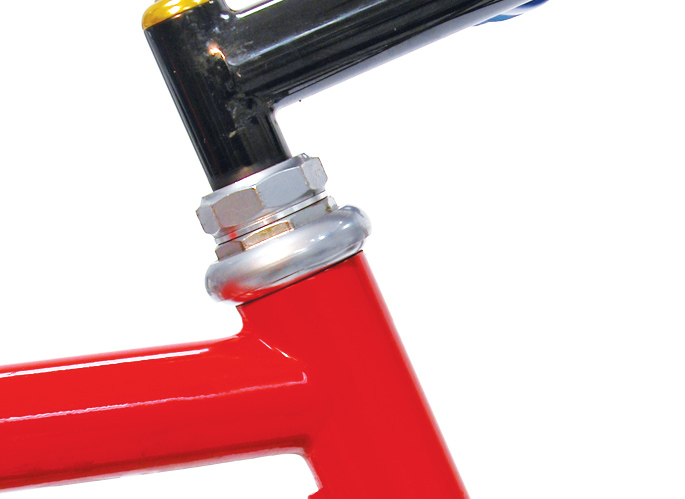
The external cup headset is the conventional or traditional pressed headset (figure 2). The bearing races sit outside the headtube. The SHIS designation “EC” may be used for either threaded or threadless steering columns.
ZS (Zero Stack)
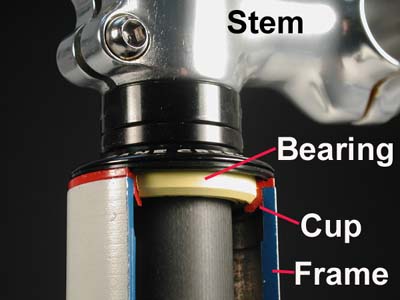
The internal headset uses bearings that sit below or at least flush with the headtube (figure 3). This system is also called Zero Stack, or semi-integrated. There is a removable cup that holds and supports the bearing in the headtube. The cup uses the top or bottom edge of the headtube as a stop. These cups are sold as part of the replacement headset. The internal headset in the SHIS system is abbreviated as “ZS.”
IS (Integrated Headset)
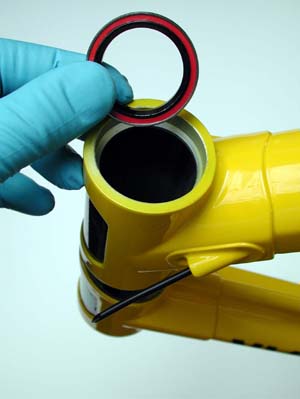
The integrated headset bearings are supported by specially shaped headtubes (figure 4). The holder for the bearing is part of the frame and is not removed as part of headset service. A cartridge bearing slips into these “cups” or supports, and is simply lifted out for replacement. The cartridge bearings are made with an angled convex side that rests on a concave angular contact inside the headtube. There is no bearing or cup contact with the face of headtube. When a new replacement IS headset is purchased, it includes only two cartridge bearings, spacers, the top cap and fork crown race. There are no cups or adaptors included with the headset.
In years past, there were two different standards for the bearing contact angle for the integrated system, which were the 36-degree and 45-degree contacts. The 36-degree standard is now considered obsolete and the current standard is the 45-degree contact. Because the 36-degree frames are not being produced, the angular contact is not called out and is assumed to be 45-degrees for new headsets. Integrated headsets in the SHIS system are abbreviated as “IS.”
Head Tube Bore Diameter
The second number after the two-letter code refers to the headtube bore diameter (inside diameter of the headtube). These are given in whole millimeters, and should be considered as a code, not an exact measurement. As an example, the bore diameter for external cup headsets in the one-inch JIS design use an actual diameter of 29.8mm bore. However the SHIS code is EC29. The external cup “pro” or “euro” standard for the one-inch headset uses a 30.2 cup for a bore of 30mm. The SHIS for this standard is EC30.
Table #1 below outlines the traditional or legacy names for the EC cups and the corresponding SHIS name. Table #2 outlines the more modern ZS systems, and Table #3 outlines the IS systems.
Table #1—SHIS for External Cup (EC)
| Legacy Names | SHIS Name | Cup OD | Bore ID |
|---|---|---|---|
| 1″ JIS pressed cup | EC29 | 30 | 29.8–29.9 |
| 1″ Pro pressed cup | EC30 | 30.2 | 30.0–30.15 |
| 1″ BMX standard (old) | EC33 | 32.8 | 32.6–32.7 |
| 1-1/8″ pressed cup | EC34 | 34 | 33.8–33.95 |
| 1-1/4″ pressed cup | EC37 | 37 | 36.8–36.95 |
| External Cup in the 44 standard | EC44 | 44.1 | 43.90–43.95 |
| 1.5″ pressed cup | EC49 | 49.7 | 49.55–49.6 |
| 1.5″ pressed cup | EC56 | 56 | 55.9–55.95 |
Table #2—SHIS for Internal Headset (ZS)
| Legacy Names | SHIS Name | Cup OD | Bore ID |
|---|---|---|---|
| 1″ semi-integrated | ZS41 | 41.5 | 41.35–41.4 |
| 1-1/8″ semi-integrated | ZS44 | 44.1 | 43.90–43.95 |
| 1-1/2″ semi-integrated | ZS49 | 49.7 | 49.57–49.65 |
| 1-1/2″ semi-integrated (rare) | ZS55 | 55 | 54.90–54.95 |
| 1-1/2″ semi-integrated | ZS56 | 56 | 55.90–55.95 |
Table #3—SHIS for Integrated Headset (IS)
| Legacy Names | SHIS Name | Bearing OD | Bore ID |
|---|---|---|---|
| 1″ IS (Cane Creek) | IS38 | 38 | 38.15–38.25 |
| 1-1/8″ IS (Cane Creek) | IS41 | 41 | 41.10–41.20 |
| 1-1/8″ Italian, Campagnolo® Hiddenset | IS42 | 41.8 | 41.95–42.05 |
| 1-1/4″ integrated—lower only | IS47 | 47 | 47.05–47.1 |
| 1-3/8″ IS lower only | IS49 | 49 | 49.1–49.2 |
| 1-1/2″ IS lower only | IS51 | 51 | 51.1–51.15 |
| 1-1/2″ IS lower only | IS52 | 52 | 52.1–52.15 |
Steering Column—Upper Section
For the upper stack SHIS, the two-letter code and bore numbers are followed a forward slash ( / ) and then the steering column diameter. This is the outside column diameter where the stem clamps if it is a threadless fork. For threaded columns, it is the outside diameter of the thread and then followed by the threads per inch designation, abbreviated as tpi. For the common one-inch threaded headset, this would appear as 25.4-24tpi.
Figure 1 above lists a ZS44/28.6. The 28.6 is the diameter of the common 1-1/8″ fork diameter in millimeters. This number in SHIS is the only one where there is a decimal. Because there is no tpi listed in the example, it is assumed to be threadless.
Table #4 lists the legacy titles and SHIS names for steering column. Notice that there are no column standards that are close in size. (The 1″ french sizing is very rare.)
Table #4—SHIS Steering Column
| Legacy Name | SHIS Name | Column OD (w/ pitch) |
|---|---|---|
| 1″ threadless | 25.4 | 25.4 |
| 1-1/8″ threadless | 28.6 | 28.6 |
| 1-1/4″ threadless | 31.8 | 31.8 |
| 1-1/2″ threadless | 38.1 | 38.1 |
| 1″ french threaded | 25.0-1.0pitch | 25.0-1.0 |
| 1″ threaded (BSC) | 25.4-24tpi | 25.4-24tpi |
| 1-1/8″ threaded | 28.6-26tpi | 28.6-26tpi |
| 1-1/4″ threaded | 31.8-26tpi | 31.8-26tpi |
Fork Column—Crown Race
SHIS terminology for the lower headset stack is similar to the upper stack but it will also include a reference for the crown race. The codes and bore sizes are those seen in Tables #1, #2 and #3. In Example #1, ZS44/30, the “ZS” tells us this is an internal type headset, and the 44 is again the bore size standard. The forward slash here is followed by the crown race press standard, in this case it is 30. The fork intended for this bike is a straight 1-1/8″ column, not a tapered fork.
See Table #5 for SHIS names for the crown race. Note that the 1-3/8″ crown race is an integrated system. The crown race shape is machined directly onto the fork, and there is no pressed race installed on the fork.
Table #5—SHIS Fork Crown Race
| Legacy Names | SHIS Name | Fork Seat OD | Crown Race ID |
|---|---|---|---|
| 1″ Japanese Industrial Standard (JIS) | 27 | 27.1 | 27 |
| 1″ Pro or “euro” std. | 26 | 26.5 | 26.4 |
| 1-1/8″ thread or threadless | 30 | 30.1 | 30 |
| 1-1/4″ thread or threadless | 33 | 33.1 | 33 |
| 1-3/8″ integrated race | none | N/A | N/A |
| 1-1/2″ with pressed races | 40 | 39.8 | 39.7 |
Mixed Headset Standards
The SHIS becomes very useful when there are mixed headset standards on the bike (figure 5). The use of a tapered steering column is becoming more common, and a bike may have one headset standard at the top and a different standard and size on the bottom. It is also now possible to have two different types for upper and lower headtubes. For example a bike might have a ZS at the upper headtube and a EC for the lower.
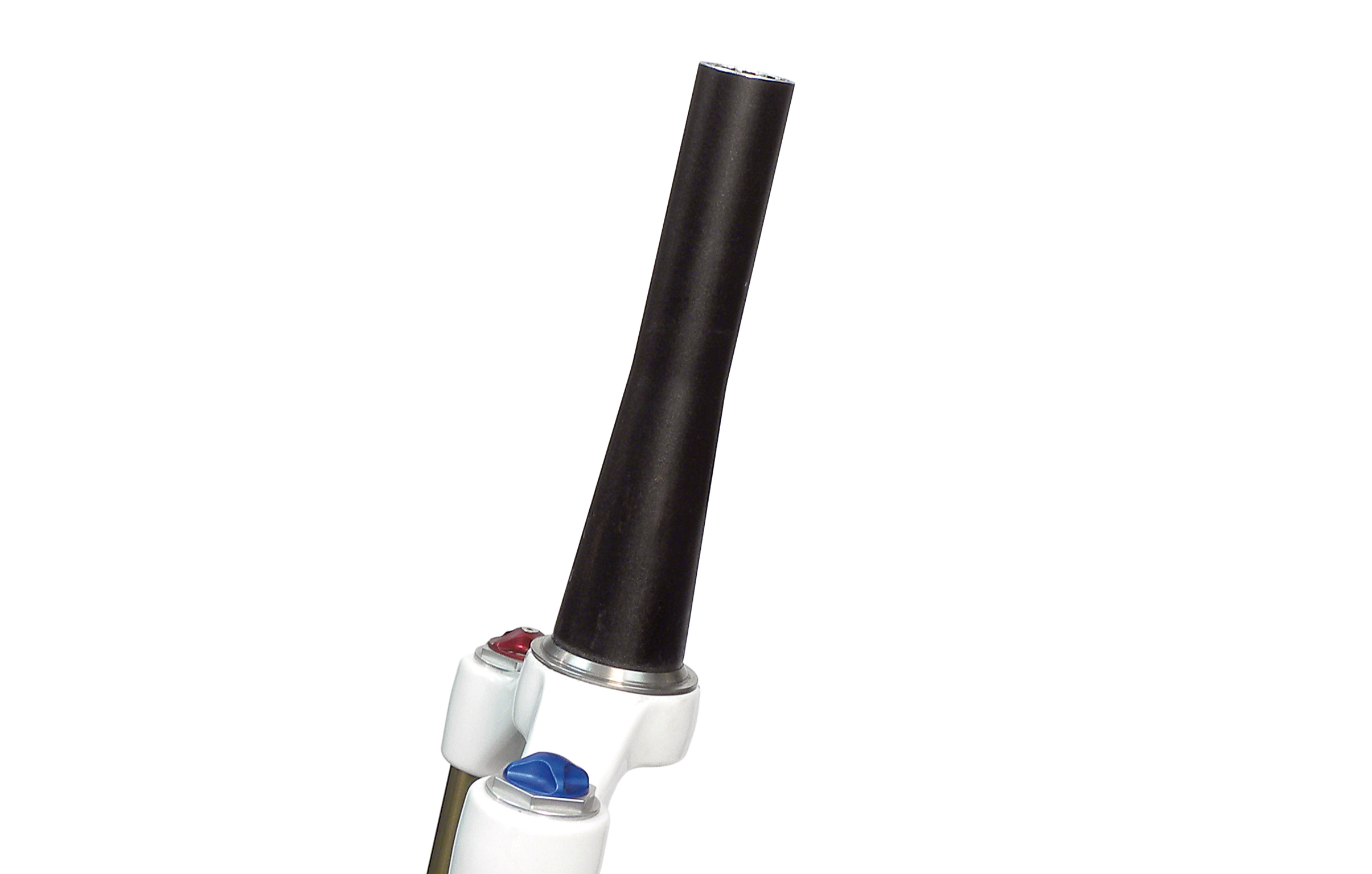
Tables 6 and 7 below show just some of the possible combinations of sizing with the EC (external cup) systems.
Table #6—Possible Threaded EC Combinations
| Legacy Name | Upper SHIS | Lower SHIS | Notes |
|---|---|---|---|
| 1″ JIS pressed cup | EC29/25.4-24tpi | EC29/27 | Threaded—common Asian standard |
| 1″ Pro/Euro pressed cup | EC30/25.4-24tpi | EC30/26 | Threaded one-inch standard |
| 1″ BMX standard (old) | EC32/25.4-24tpi | EC32/26 | Older BMX standard, both threadless & threaded |
| 1-1/8″ pressed cup | EC34/28.6-26tpi | EC34/30 | Threaded |
| 1-1/4″ pressed cup | EC37/31.8-26tpi | EC37/33 | Threaded |
Table #7—Possible Threadless EC Combinations
| Legacy Name | Upper SHIS | Lower SHIS | Notes |
|---|---|---|---|
| 1″ JIS pressed cup | EC29/25.4 | EC29/27 | Lower crown race larger then “pro” standard |
| 1″ Pro/Euro pressed cup | EC30/25.4 | EC30/26 | |
| 1-1/8″ pressed cup | EC34/28.6 | EC34/30 | |
| 1-1/4″ pressed cup | EC37/31.8 | EC37/33 | |
| 44 external cup | EC44/28.6 | EC44/30 | |
| 1.5″ pressed cup | EC49/38.1 | EC49/40 | |
| 1.5″ reducer to 1-1/8″ | EC49/28.6 | EC49/30 | Reducer cups down to 1-1/8″ |
| 1.5″ pressed cup—lower only | N/A | EC56 | Threadless, lower only |
The ZS type headsets can be found on bikes with different upper and lower bore diameters (figure 6). There may also be bikes with a ZS headset type in one part of the headtube and the EC headset in the other part. Table 8 below lists some of the possibilities.
Table #8—Possible ZS Combinations
| Legacy Name | Upper SHIS | Lower SHIS | Notes |
|---|---|---|---|
| 1″ | ZS41/25.4 | ZS41/26 | 1″ fork semi-integrated, not common |
| 1″ | ZS41/25.4 | ZS41/26 | 1″ fork semi-integrated, not common |
| 1-1/8″ | ZS44/28.6 | ZS44/30 | Common ZS semi-integrated |
| 1-1/2″ tapered | ZS49/28.6 | ZS49/40 | Tapered fork |
| Reducer for 1-1/2″ | ZS49/28.6 | ZS49/30 | Reducer to accept 28.6 fork |
| Mixed standard | ZS49/28.6 | EC49/40 | Tapered fork |
| 1-1/2″ zero stack top & lower | ZS49/38.1 | ZS49/40 | Full 1-1/2″ column but ZS type headset |
| 1-1/2″ zero stack lower only | N/A | ZS55/40 | FSA only, obsolete |
| 1-1/2″ZS—lower | N/A | ZS56/40 | Lower on mixed headset |
| Mixed standard | ZS44/28.6 | EC49/30 | Mixed ZS to and EC lower |
| Mixed standard | ZS44/28.6 | ZS56/40 | Common tapered configuration |
| Mixed standard | EC49/28.6 | ZS49/40 | External upper, ZS lower, tapered fork |

The IS types may also be mixed with different upper and lower bore diameters. There are also some sizes that are used exclusively on the lower headtube only. Table 9 below lists some of the possibilities.
Table #9—Possible IS Combinations
| Legacy Name | Upper SHIS | Lower SHIS | Notes |
|---|---|---|---|
| 1″ IS (Cane Creek) | IS38/25.4 | IS38/26 | Some TRI bikes, not commonly seen |
| 1-1/8″ IS (Cane Creek) | IS41/28.6 | IS41/30 | “Cane Creek” standard |
| 1-1/8″ Italian (Hiddenset) | IS42/28.6 | IS42/30 | Campagnolo® “Hiddenset” standard |
| 1-1/4″ integrated—lower only | N/A | IS47/33 | Tapered fork lower, pressed fork crown |
| 1-3/8″ IS lower only | N/A | IS49 | Tapered fork lower, race integrated into fork |
| 1-1/2″ IS lower only | N/A | IS52/40 | Tapered fork lower, pressed fork crown |
Stack Height = H (optionally given by manufacturers)
Headset manufacturers may also include the stack height for more complete SHIS terminology. This is abbreviated as “H” followed by the stack height in millimeters. The stack height “H” will follow after other SHIS sizing terms. Stack height is simply the amount of fork column the headset will take up or occupy. It is the amount the headset extends beyond the headtube. Stack height is listed separately for upper and lower stack. All headset types have some amount of stack height (figure 7 and 8).
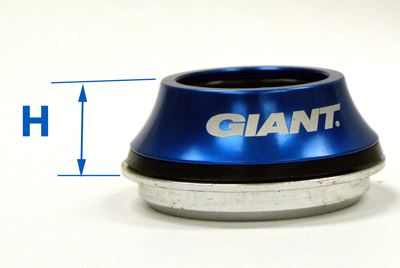
Figure 7. An upper headset assembly with a 16mm stack height. The full SHIS listing would read ZS44/28.6 H16
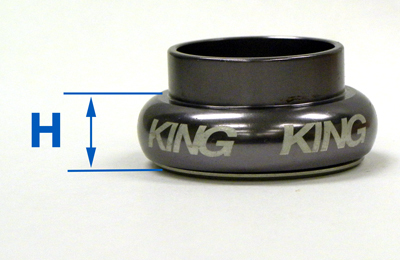
Figure 8. Lower stack external cup with 13.7mm stack height. The full SHIS listing would read EC34/30 H13.7
SHIS Examples
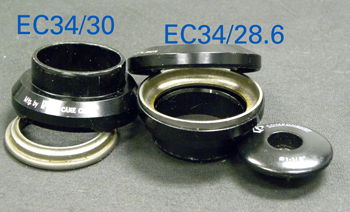
Example #2: A common headset on many mountain bikes is sometimes referred to as a “Traditional 1-1/8 threadless cup” headset. The OD of the pressed cups measures 34mm (figure 9). The steering column is 28.6mm (1-1/8″), and the crown race ID is 30mm. In the SHIS, this headset is written as EC34/28.6 | EC34/30. This headset is for frame with an external cup design headtube with approximately 33.8-33.9mm ID. The steering column is 28.6mm, and a crown race of 30mm. It is intended for a straight fork, not a tapered fork. Any headset with the same SHIS would fit the bike as would headset in example #2.
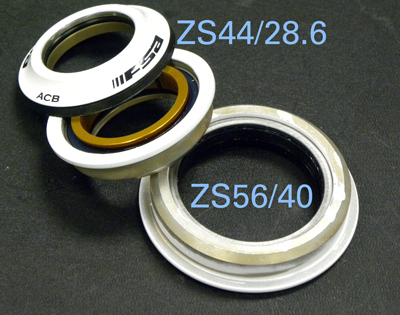
Example #3: Figure 10 is an internal style headset, with both bearings sitting inside the headtube, but held by pressed cups. This is the ZS type. The upper cup measures 44mm. However, the lower cup measures 56mm. The inside of the fork crown race is 39.9mm, but the steering column top is 28.6mm. This must have a tapered steering column. The SHIS for this system would be ZS44/28.6 for the upper, and ZS56/40 for the lower.
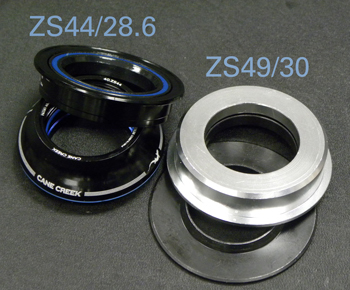
Example #4: The headset in figure 11 is again the ZS type. The upper cup measures 44mm, and the inside of the top cap for the column is just over 28.6. The upper is then ZS44/28.6. The lower cup is 49.71mm, and ZS type. But the fork crown race is 30mm, making the lower SHIS ZS49/30. The headtube is tapered, but the fork is not, it is straight with the typical 30.1mm crown race seat. The lower headset acts as a reducer for this straight fork. The frame was made to accept a tapered fork, but this particular headset choice allows the use of the common 28.6mm column straight fork (1-1/8″ fork). The bike would accept the larger SHIS 40 lower crown if the fork and lower headset were changed.
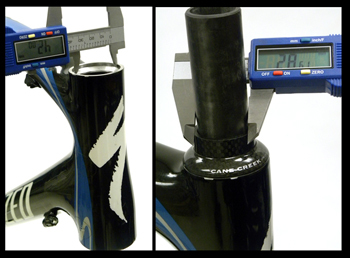
Example #5: The frame in figure 12 has machined bearing holders directly in the frame and consequently is the IS type. The ID of the upper bore is 42mm. The fork column was 28.6. If no fork was available, measure inside the top cap from the headset. For this bike the upper headset SHIS would be IS42/28.6.
Summary
The SHIS is a useful system to compare the fit of different models and brands of headsets. If two different brands have matching SHIS descriptions, they will interchange and fit the same bikes. The system will result in less confusion as bike manufacturers, distributors, and retailers begin listing frames and components with SHIS terminology.
Headsets may be purchased as a combined upper and lower set. Headset may also be purchased as an upper or lower assembly only. This allows a bike with mix standards to be fit.
Once the SHIS system is fully in place, understanding headset fit and ordering headsets will become more organized and easier comprehended.
Summary of the SHIS Code System
The SHIS is a coded system of letters and numbers. Download a summary of the sizing of the SHIS here.
Headset Types
EC: external cup types, bearings above (or below) headtube face
ZS: internal or zero-stack type, bearing level or inside headtube face, but with removable cup holder
IS: integrated type, bearing level or inside headtube, holder is part of frame design and are not replaced
Bore Diameter-upper stack
The upper stack two-letter code seen above is followed directly by a number representing the bore diameter (inside diameter) of the intended frame. This code is in two digits, with no decimal used.
Column Diameter (at top of column)
The upper stack bore SHIS is followed by the ” / ” mark and then by a second number representing the top of the steering column diameter. The SHIS column diameter code will use a decimal number. If it is a threaded column the diameter will be followed by a dash mark and the thread frequency designation, such as in tpi.
Bore Diameter—Lower stack
The lower stack begins with the two-letter code seen above and is followed directly by a number representing the bore diameter (inside diameter) of the intended frame.
Crown Race
The lower bore SHIS is is followed by the ” / ” mark and then a second number representing the fork crown race inside diameter.
Stack Height
There may also be listed at the option of headset manufacturer for either upper or lower SHIS numbers the letter “H,” followed the stack height in millimeters.
Related articles
Threadless Headset Service View Article
 Threadless Headset Service
 Threaded Headset Service View Article
Headset Standards View Article
Head Tube Reaming and Facing View Article
Crown Race Removal with the CRP-2 Crown Race Puller View Article


